
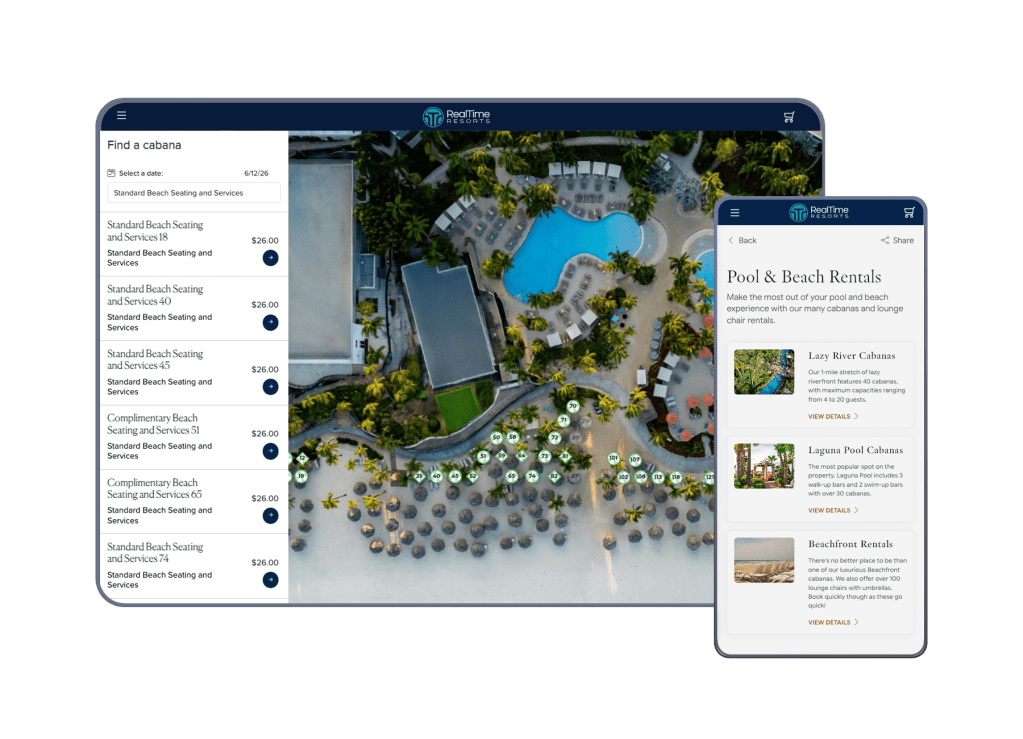
A Strategic Consolidation in Ancillary Revenue Tech
RealTime Reservation's acquisition of STAY represents a notable consolidation in hospitality technology focused on non-room revenue. Hotels have long chased ancillary income — from upsells, F&B and spa bookings to transfers and experiences — but the tools that enable those sales have been fragmented across vendors, point solutions and bespoke integrations.
What the Deal Actually Combines
At its core the acquisition puts a unified shopping cart and a shared data foundation ahead of feature development. That means instead of stitching multiple carts, databases and APIs together, hotels can route ancillary offers through a single transactional layer with a common customer and transaction data model. Operationally, that simplifies checkout, reduces double bookings and gives a single source of truth for guest preferences and purchase history.
Why This Matters Now
Consolidation in this layer reduces integration friction with property management systems (PMS), CRS and channel managers and can speed rollout of personalization and dynamic packaging. With a shared data foundation, AI-driven recommendations, loyalty tie-ins and revenue-management rules can act on consistent signals rather than noisy, siloed inputs.
Competitive And Market Implications
Vendors offering point solutions for specific ancillaries face pressure to integrate or be absorbed. OTAs and global distribution systems could benefit from cleaner supplier-side data, while independent hotels and small groups may gain enterprise-level capabilities without bespoke engineering. However, the deal also raises questions about vendor lock-in and the pace at which smaller providers can adapt to a new dominant data model.
Privacy, Compliance And Integration Considerations
Centralizing guest data heightens the need for robust privacy controls and clear data governance. Hotels must ensure compliance with regional data-protection regimes and contractual obligations with partners. Successful adoption will depend on open APIs, migration tools and transparent data-portability promises from the combined company.
What Hotels Should Do Next
Inventory your ancillary tech stack and map dependencies to bookings, PMS and payment flows. Prioritise vendors that publish open APIs and migration paths. Start small with a pilot property to test unified cart flows and measure conversion, operational time savings and guest satisfaction.
What This Means for You
For hotels, the acquisition signals a shift toward simpler tech stacks and faster deployment of cross-sell and personalization features. For guests, expect smoother checkout, fewer duplicate charges and better-tailored offers during booking and at check-in.